
Bamboo is widely marketed as an elegant, fast-growing, evergreen solution for screening, windbreaks and architectural planting schemes. However, many bamboo
species — particularly running types — present significant long-term risks when planted without engineered containment.
For developers, landscape architects and property owners, unmanaged bamboo can quickly shift from ornamental feature to structural liability.
Understanding Running Bamboo

Most problematic bamboo species belong to the genus Phyllostachys, including:
- Phyllostachys aurea (Golden Bamboo)
- Phyllostachys nigra (Black Bamboo)
- Phyllostachys bambusoides (Japanese Timber Bamboo)
- Phyllostachys aureosulcata (Yellow Groove Bamboo)
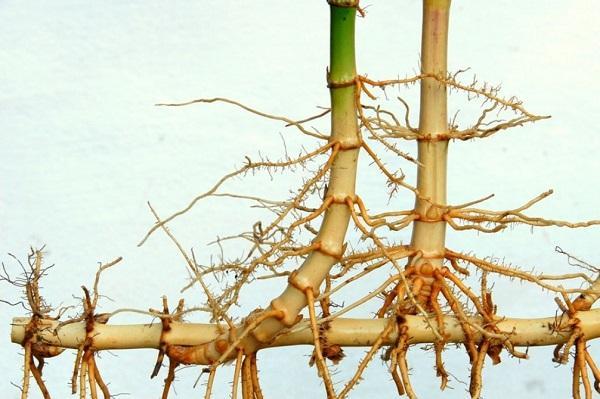
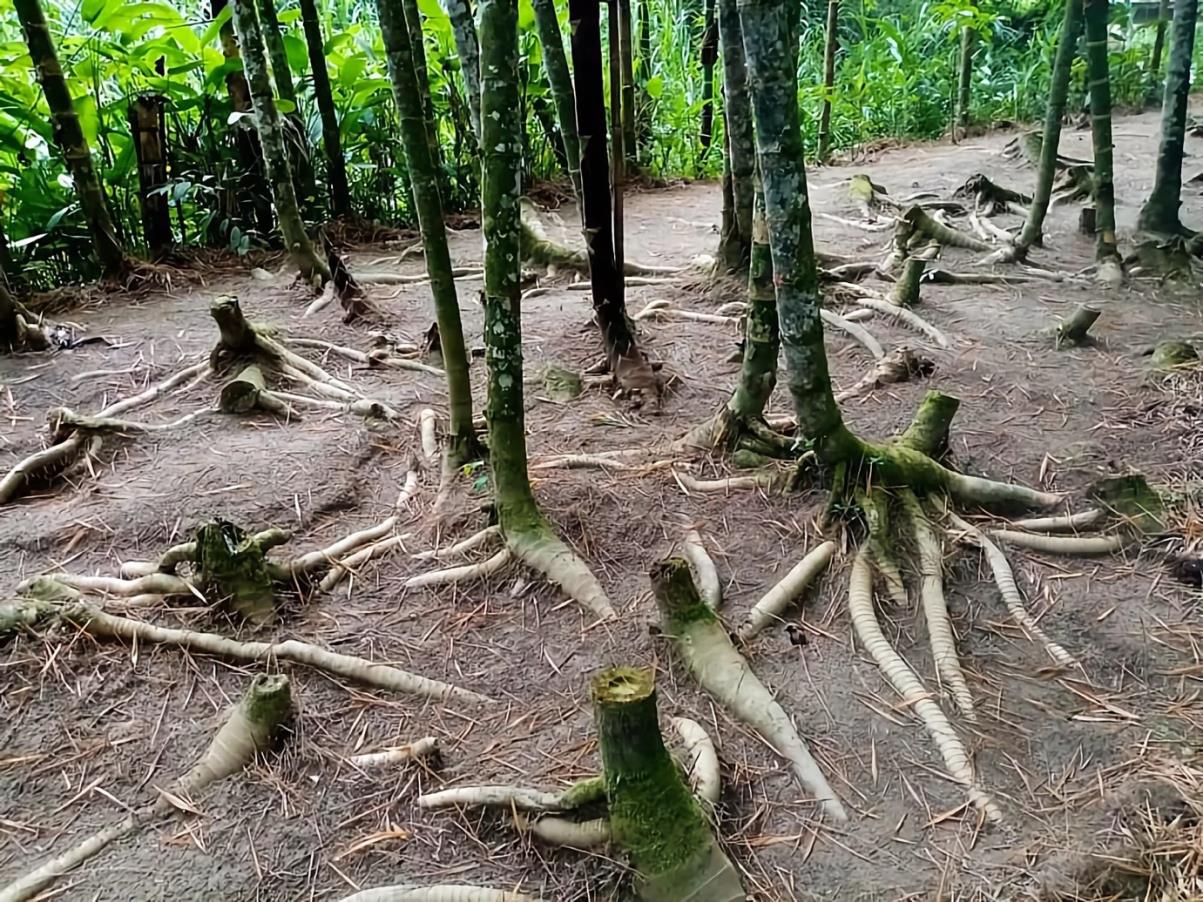
These are classified as running bamboos, meaning they spread via aggressive underground rhizomes rather than staying in a tight clump.
How Runner Spread Occurs
- Rhizomes travel laterally underground, often 2–5 metres annually in favourable conditions
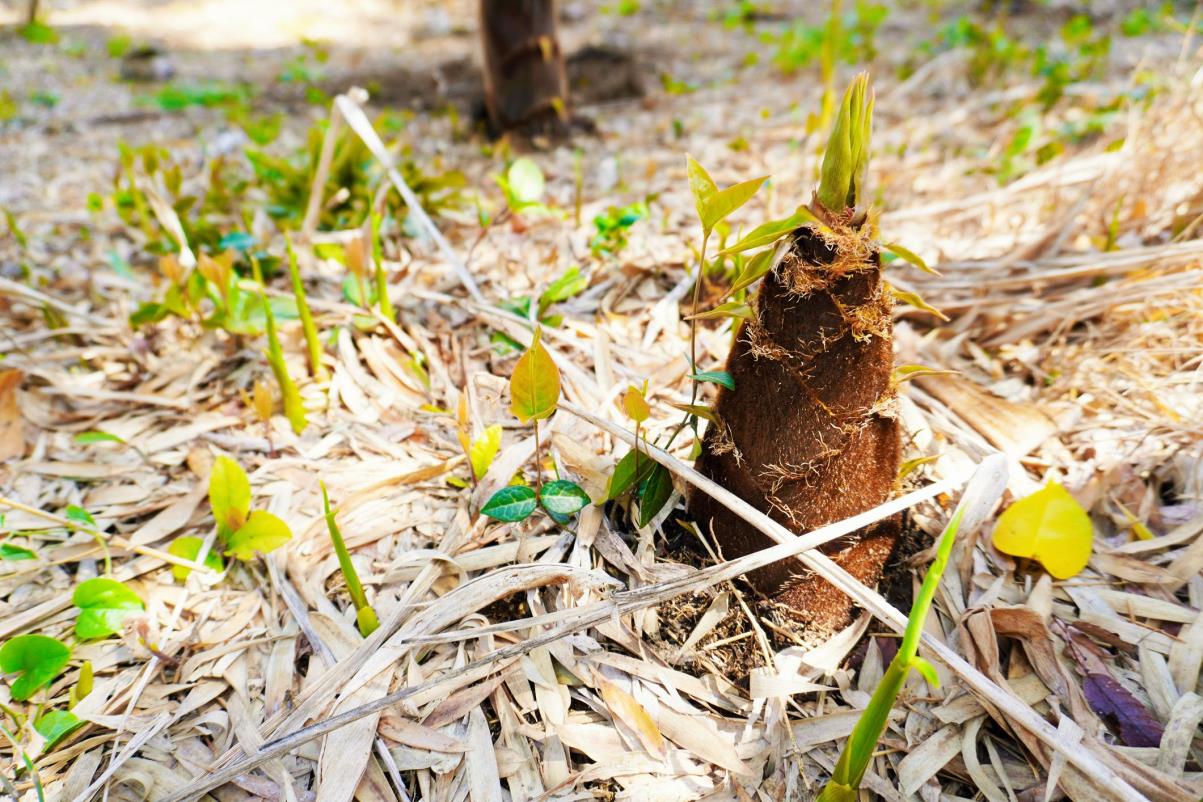
- Shoots can emerge several metres from the parent plant
- Rhizomes exploit cracks in concrete, drainage lines and weak foundations
- Fragments left in soil readily regenerate
Without containment, spread is not gradual — it is exponential.
Structural and Property Risks

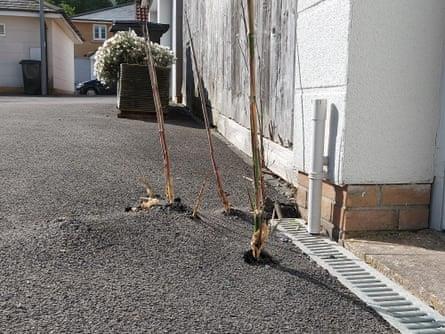

1.Hardstanding Damage
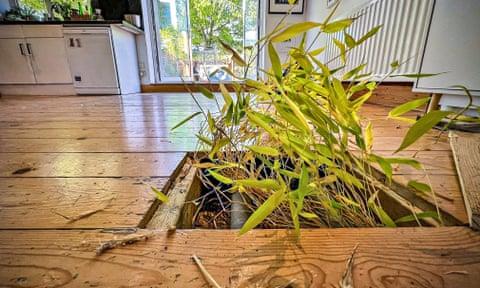
Bamboo rhizomes exert substantial lateral pressure. They can:
- Lift paving slabs
- Distort tarmac
- Disrupt kerbing
- Crack retaining walls
2.Drainage Interference
Rhizomes are opportunistic. They exploit:
- Perforated drainage pipes
- Service ducts
- Utility trenches
Once inside, blockages are common and costly to remediate.
3.Boundary Disputes
Uncontained bamboo frequently spreads into neighbouring properties. This can result in:
- Civil disputes
- Legal claims
- Remediation orders
- Reduced property saleability
In the UK and Ireland, bamboo disputes are increasingly treated similarly to invasive knotweed cases in terms of nuisance liability.
Ecological and Site Management Risks
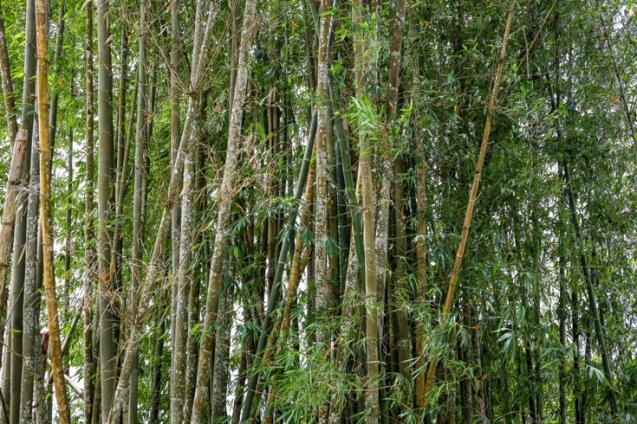
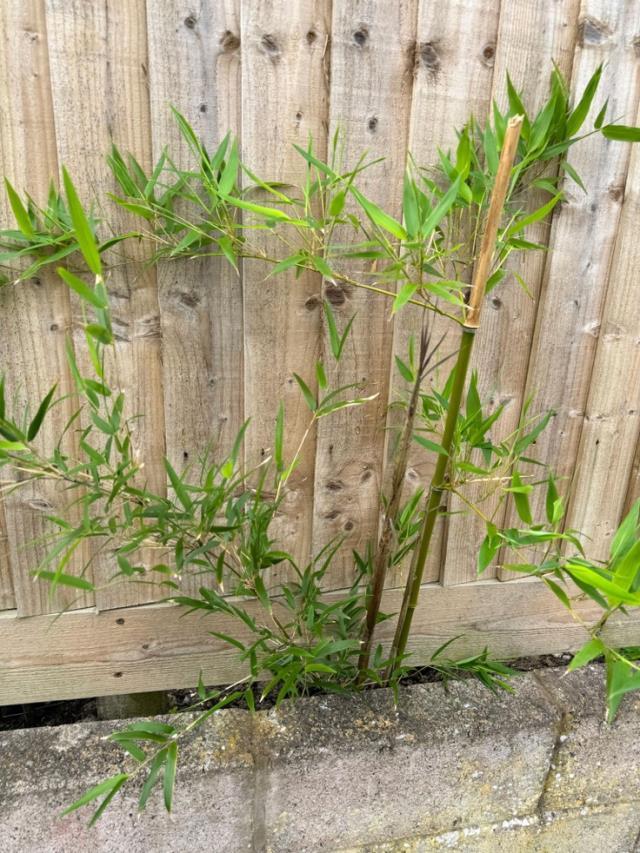
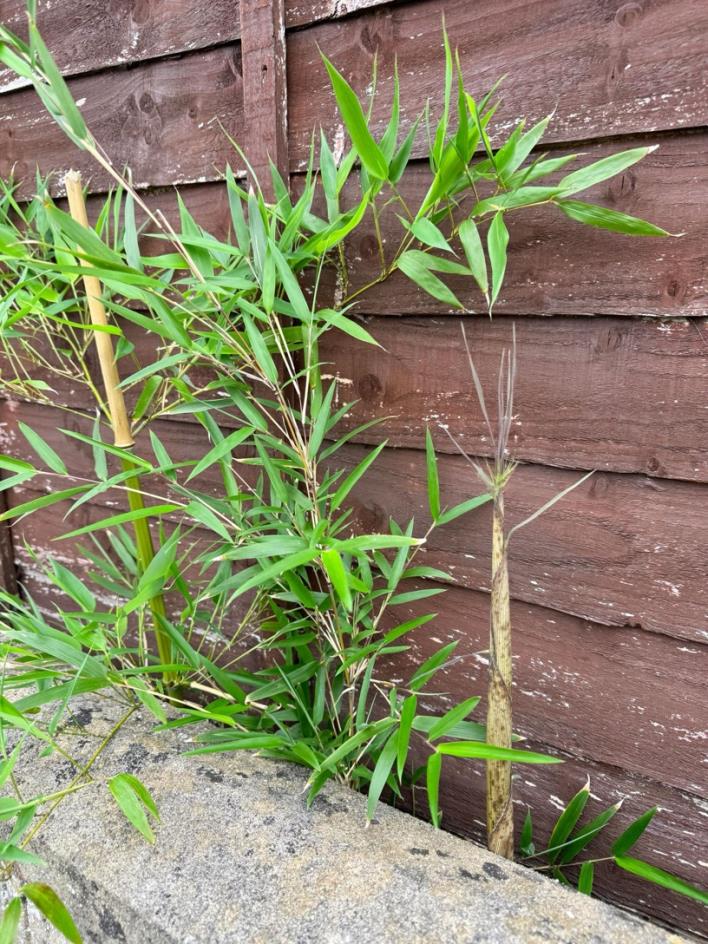
Unmanaged bamboo can:
- Create dense monocultures
- Suppress native flora
- Reduce biodiversity
- Complicate site clearance during development
On brownfield and redevelopment sites, concealed rhizome networks frequently cause delays once groundworks commence.
Financial Implications
Failure to install containment at planting stage often leads to:
- Full mechanical excavation
- Soil screening
- Off-site disposal of controlled waste
- Long-term herbicide programmes
- Structural repair costs
Remediation costs typically exceed initial planting costs by a significant margin. Early containment installation is inexpensive compared to post-establishment removal.
Proper Containment: What Is Required?
If bamboo is to be planted responsibly, the following engineering controls are essential:
1.Root Barrier Specification
- Minimum 1–2 mm high-density polyethylene (HDPE) barrier
- Installed vertically to 600–900 mm depth
- Top edge protruding 50 mm above soil level
- Seams professionally sealed
2.Containment Ring Design
- Continuous loop installation
- No open ends
- Regular inspection regime
3.Annual Maintenance
- Perimeter trench inspection
- Removal of escaped rhizomes
- Monitoring for breach points
Improvised measures (e.g., membrane offcuts, shallow edging or paving restraints) are not effective.
Clumping Bamboo: Is It Safer?
Clumping species such as Fargesia varieties are often marketed as “non-invasive.” While significantly less aggressive than Phyllostachys, even clumpers can expand steadily and require management.
No bamboo species should be planted adjacent to:
- Foundations
- Retaining walls
- Boundary lines
- Services corridors
Risk Assessment Before Planting
Before introducing bamboo into any landscape scheme, a structured assessment should consider:
- Soil type and moisture regime
- Proximity to structures
- Adjacent ownership boundaries
- Future development potential
- Long-term maintenance capacity
For commercial sites, a formal planting specification and containment design should be documented.
Professional Advice
At Japanese Knotweed Killers, we increasingly encounter bamboo cases that mirror invasive knotweed scenarios in terms of structural impact and neighbour disputes.
The key distinction is this:
Bamboo problems are entirely preventable at the planting stage.
If bamboo is already spreading beyond intended boundaries, early intervention significantly reduces remediation costs and structural risk.
Final Consideration
Bamboo is not inherently problematic — but unmanaged runner species are incompatible with unmanaged residential planting.
Containment is not optional. It is a structural requirement.
If you require advice on bamboo containment, inspection, or removal, contact the team at:
www.japaneseknotweedkillers.com
Preventative action is always less expensive than reactive remediation.